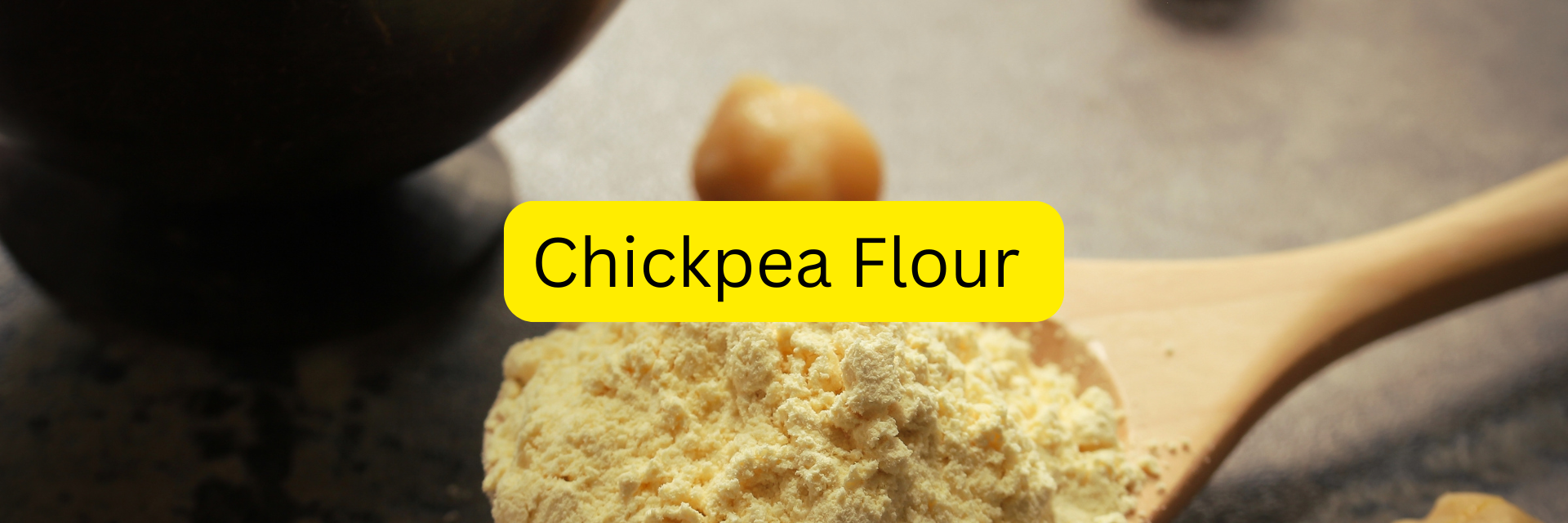
Unlock Chickpea Flour's Culinary Potential: Beyond the Gluten-Free Label
In the vibrant tapestry of modern cooking, alternative flours have taken center stage, offering exciting possibilities for health-conscious foodies and those navigating dietary restrictions. From almond to oat, and cassava to the increasingly popular chickpea flour, the choices are abundant. While some might perceive these as newfangled trends, many, like chickpea flour, boast a rich culinary heritage, gracing kitchens across the globe for centuries before their recent resurgence in Western cuisine.
This remarkable ingredient, derived from ground chickpeas, is more than just a gluten-free substitute; it's a nutritional powerhouse and a versatile workhorse that can revolutionize your baking, elevate your savory dishes, and become your secret weapon for thickening and binding. If you've been curious about harnessing the full potential of this humble legume, you're about to discover its many secrets.
The Nutritional Powerhouse: Why Chickpea Flour Deserves a Spot in Your Pantry
Beyond its ancient roots and culinary adaptability, chickpea flour stands out for its impressive nutritional profile. Unlike traditional white flour, it's naturally lower in calories while being exceptionally rich in vital nutrients. It's a stellar source of plant-based protein, making it a favorite among vegetarians and vegans, and packs a substantial amount of dietary fiber, which is crucial for digestive health and promoting satiety. That feeling of being full and satisfied for longer? Thank the fiber in chickpea flour.
But the benefits don't stop there. This golden flour is also abundant in essential vitamins and minerals, including significant amounts of folate, iron, magnesium, phosphorus, copper, and manganese. These nutrients play critical roles in everything from energy production and red blood cell formation to bone health and antioxidant defense. Choosing chickpea flour isn't just a dietary swap; it's an investment in your well-being, offering a wholesome, nutrient-dense alternative for everyday cooking and baking. For an even deeper dive into its health benefits, explore Chickpea Flour: Your Healthy, Versatile Gluten-Free Kitchen Staple.
A Journey Through Time: Chickpea Flour's Enduring Global Legacy
While the gluten-free movement has brought chickpea flour into the mainstream in many parts of the world, it's important to recognize that it's far from a modern invention. Known as besan in India, it has been a staple in South Asian cooking for centuries, forming the basis of beloved dishes like pakoras, kadhi, and various flatbreads. Its presence is equally strong in Middle Eastern and North African cuisines, where it features in falafel, and in Italian cooking, particularly in Liguria, where farinata (a savory pancake) is a regional delicacy. This rich history speaks volumes about its inherent versatility and deliciousness, proving its mettle across diverse culinary traditions.
Traditionally, sourcing this flour meant a trip to a specialty store, but given its rising popularity, it's now widely available. However, a fantastic aspect of chickpea flour is just how easy and cost-effective it is to make at home. With just dried chickpeas and a good blender, you can whip up a fresh batch for a fraction of the cost of store-bought alternatives, ensuring maximum freshness and control over your ingredients. To learn how, check out our guide on Make Chickpea Flour at Home: Easy, Budget-Friendly & Nutritious.
Unlock Chickpea Flour's Culinary Magic: Baking, Savory, and Thickening Secrets
Once you have your fresh or store-bought chickpea flour, the culinary possibilities truly open up. Its unique properties allow it to shine in an incredibly diverse range of applications, offering distinct textures and flavors.
Sweet Delights: Elevating Your Baked Goods
Don't let the "savory" association fool you; chickpea flour can transform your sweet baking endeavors. It imparts a light, slightly nutty flavor that complements many desserts beautifully. It's an excellent choice for:
- Fluffy Pancakes and Crepes: Forget traditional flour; chickpea flour pancakes are surprisingly tender, offering a delightful texture that makes for a fantastic gluten-free breakfast. They hold together beautifully and can be customized with sweet or savory toppings.
- Decadent Breads and Muffins: Incorporate it into recipes for banana bread, muffins, or even cupcakes to add richness, density, and a subtle earthy note. It can help create a moist crumb and a satisfying chew.
- Cookies and Brownies: Experiment with partial substitutions to enhance the nutritional value without compromising on taste. Its natural binding properties can also contribute to a good texture.
When baking, chickpea flour can be a bit denser than white flour, so often substituting up to half of the all-purpose flour in a recipe is a good starting point. This allows you to introduce its benefits while maintaining familiar textures. Don't be afraid to experiment to find your perfect ratio!
Savory Sensations: From Everyday Meals to Creative Dishes
Where chickpea flour truly shines for many is in savory cooking. Its binding properties and ability to create a satisfying structure make it indispensable:
- Meatballs and Veggie Burgers: It acts as an excellent binder, holding ingredients together and providing a tender yet firm texture without relying on breadcrumbs. For veggie burgers, it can provide that much-needed structure and protein boost.
- Gluten-Free Pizza Dough: Craving pizza but avoiding gluten? Chickpea flour is a fantastic alternative, creating a dough that is not only easy to work with but also packed with nutrients. The resulting crust is often light, crispy, and incredibly satisfying.
- Dumplings and Fritters: From Indian pakoras to savory pancakes, chickpea flour is the base for numerous fried or pan-fried delicacies, creating a wonderfully crisp exterior and a tender interior.
- Coating for Proteins: Use it as a gluten-free coating for homemade chicken tenders, fish sticks, or even crispy vegetable fries. It creates a lovely golden crust and adds an extra layer of protein.
Its natural mild flavor makes it adaptable to a wide array of spices and herbs, allowing it to seamlessly integrate into various cuisines.
The Thickening and Binding Secret Weapon
Beyond its roles in baking and as a primary ingredient, chickpea flour is an unsung hero for thickening and binding, adding both body and nutrition to your dishes:
- Soups, Sauces, and Gravies: A few tablespoons of chickpea flour can be whisked into simmering liquids to achieve a thicker, creamier texture without needing traditional thickeners like cornstarch or refined flours. It can add a subtle richness that enhances the overall flavor profile.
- Egg Substitute: When mixed with water (often called "chickpea egg" or "vegan egg"), it forms a paste that can act as a binding agent in many vegan recipes, replacing eggs in burgers, fritters, or even some baked goods.
- Frying Batter: Its ability to create a light yet sturdy batter makes it perfect for tempura-style vegetables or other fried treats, offering a distinct crispiness.
Mastering Chickpea Flour: Practical Tips for Kitchen Success
While chickpea flour is incredibly versatile, a few tips can help you get the best results:
1. Start Gradually with Substitutions: If a recipe calls for all-purpose flour, begin by substituting up to half the amount with chickpea flour in baking. For savory applications, you might be able to use a higher ratio, or even 100%, depending on the desired texture. Its density means it can sometimes absorb more liquid, so be prepared to adjust moisture levels slightly in your recipes.
2. Embrace Its Unique Flavor: Chickpea flour has a distinct, slightly earthy and nutty flavor that can be a pleasant addition, especially in savory dishes. In baking, it's often mild enough not to overwhelm other flavors but can add a subtle complexity.
3. Proper Storage is Key: To maintain its freshness and nutritional integrity, store chickpea flour in an airtight container. At room temperature, it has a shelf life of approximately six months. For extended freshness, especially if you buy in bulk or make your own, store it in the refrigerator for up to a year or in the freezer for one to two years. This prevents it from going rancid and ensures optimal performance in your recipes.
From its ancient origins to its modern health appeal, chickpea flour is a true culinary marvel. Its exceptional nutritional value, gluten-free nature, and incredible versatility make it a must-have ingredient for any adventurous home cook. Whether you're whipping up a batch of fluffy pancakes, crafting a wholesome pizza, or thickening a hearty soup, chickpea flour offers a world of possibilities. Embrace its secrets, experiment with its applications, and unlock a new dimension of flavor and nutrition in your kitchen. It's more than just an alternative; it's a game-changer.
